Our Approach
Our approach to equine-assisted learning
How time with a horse shows you who you are.
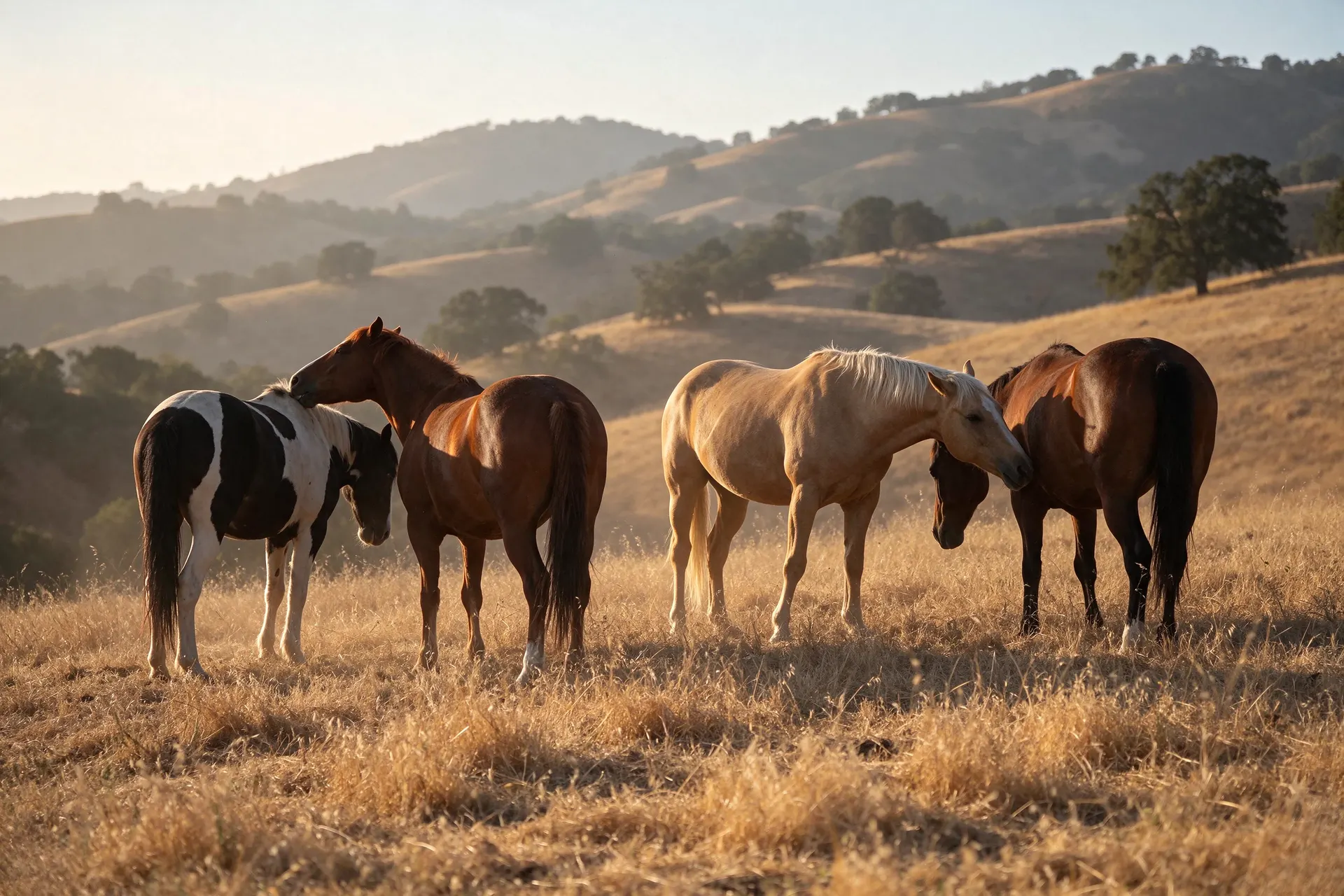
What is equine-assisted learning?
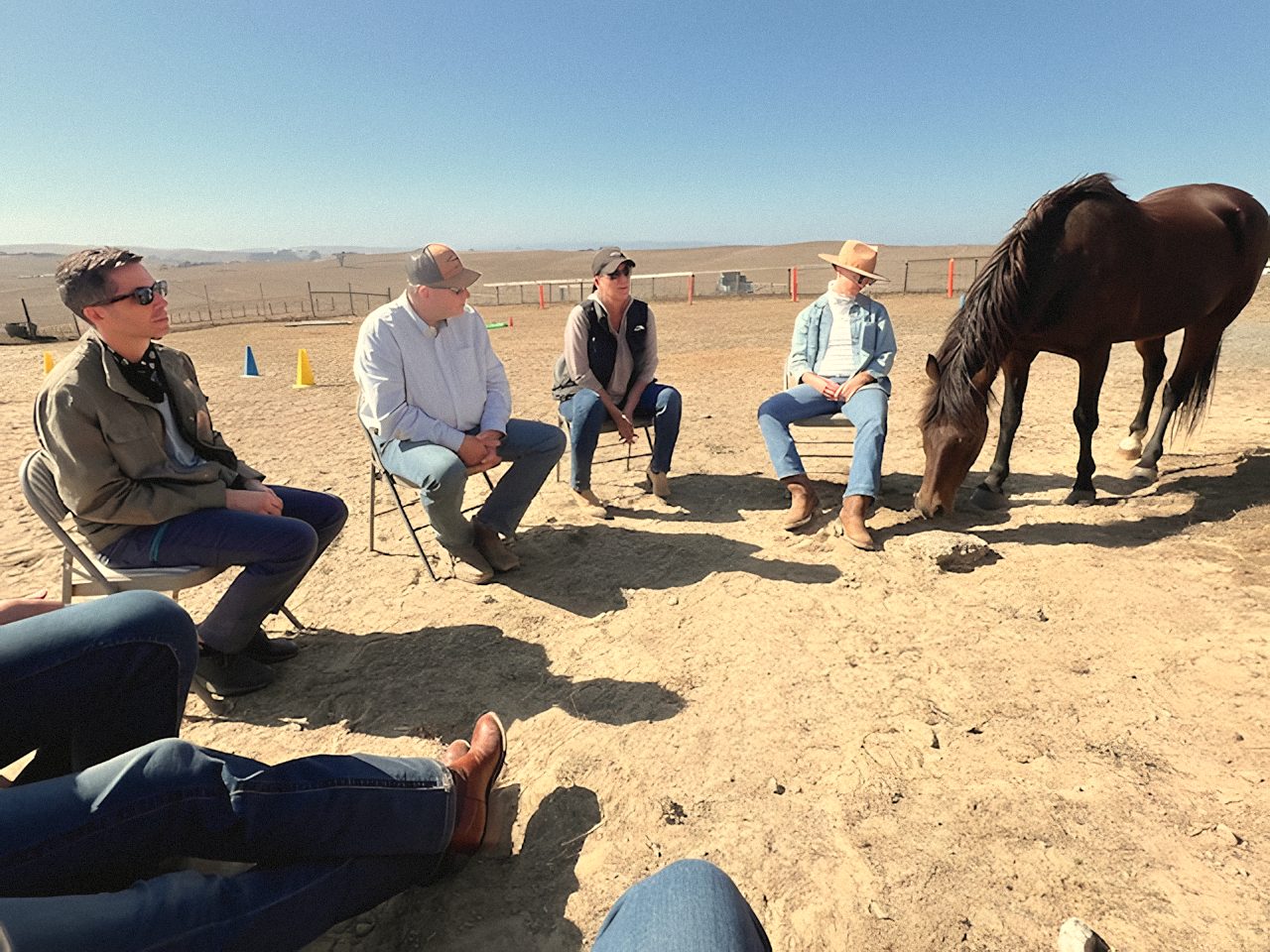
Equine-assisted learning is learning through time with horses. You spend time near a horse, outdoors, and notice how it responds to you. A horse answers what people leave unspoken: posture, breath, the tension in your hands. With your coach, you reflect on what you noticed and take it back to your life and your work.
We call our method Horse Assisted Education (HAE). It belongs to the family of equine-assisted learning. The horse's behavior guides each session, and your coach guides the conversation that follows.
Nonverbal communication
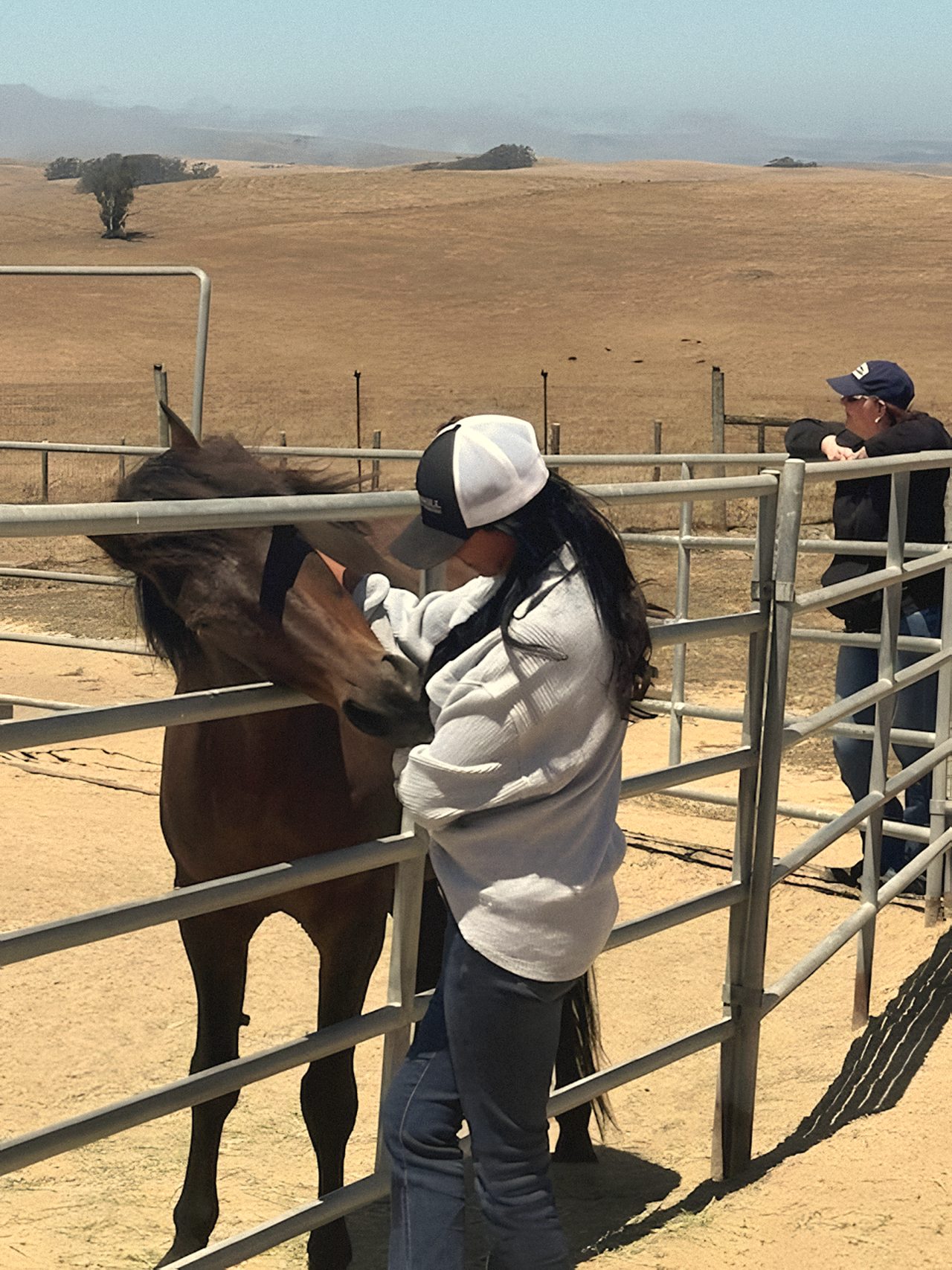
A horse notices what your body says.
A horse is a flight animal. It reads everything around it to stay safe: posture, gesture, the energy you carry.
So it notices what your body says before you speak, and it answers honestly. Your posture. Your breath. The tension in your hands. You see yourself in how it responds.
Trust
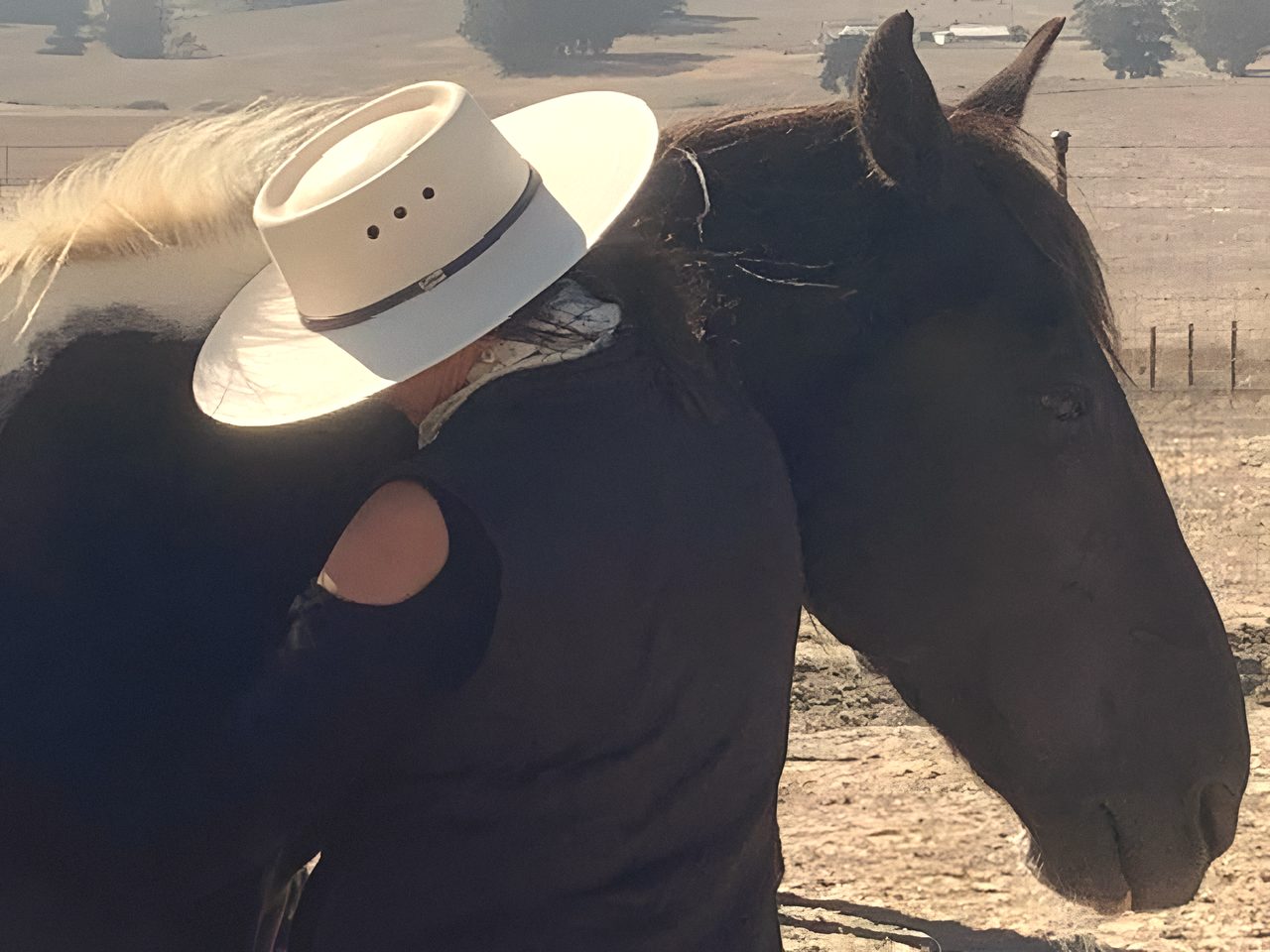
Trust is earned.
A horse trusts you only when you've earned it, with patience, respect and a steady presence.
That's a skill people need from each other too. You practice it with an animal that feels the difference, then carry it back to the people in your life and work.
Presence
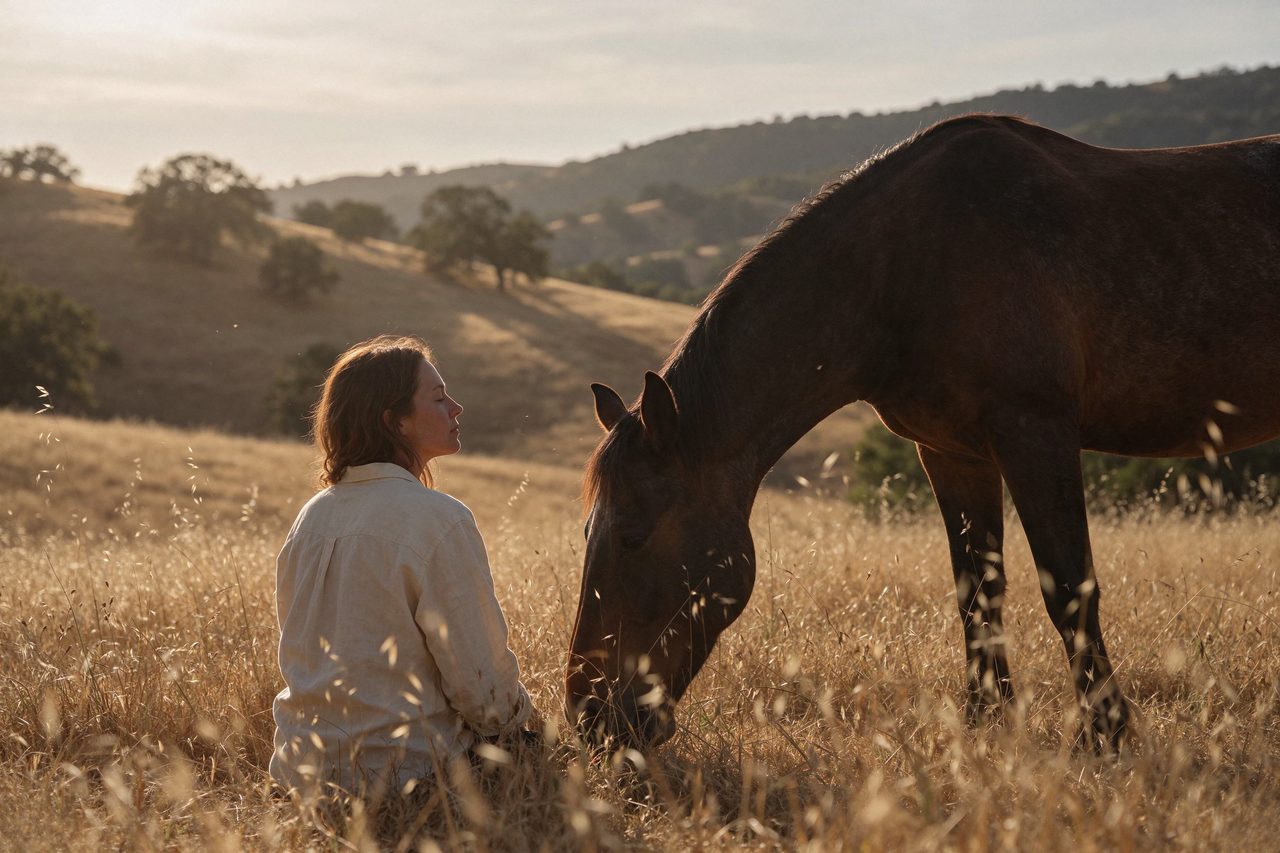
Look up from the screen.
Most of our days pass in front of a screen, and many of us use our bodies and our feelings less to express ourselves than we once did.
A horse asks you to look up, breathe, and be where you are. Outdoors, with the herd, you practice a balance between digital and analog life.
Leading in uncertainty
A horse responds to the moment.
Horses can be unpredictable. They respond to what happens around them, as it happens.
Working with them, you practice leading when things change. In small groups, you complete tasks and solve problems together, outdoors, in nature.
What people practice
What time with the herd builds.
Many people come away more aware of themselves, and they apply what they noticed at home and at work.
Self-awareness
How you carry yourself, and what a horse reads in it.
Nonverbal communication
Clear signals, with words and without them.
Steadiness
Calm in how you respond when a large animal is near.
Problem solving
Finding a way forward with others, and with the horse.
Where it happens
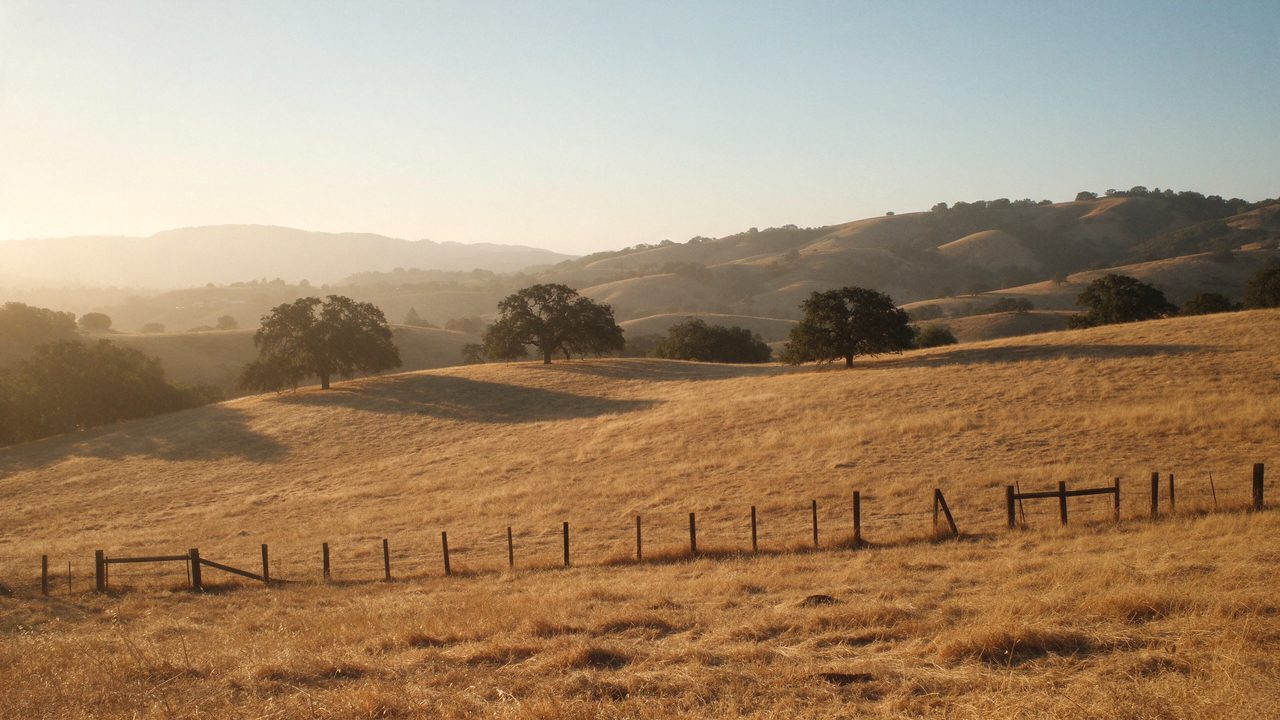
Outdoors, with the herd, in Byron.
Sessions take place outdoors with the herd at the Cox Foundation, 2420 Hoffman Lane, Byron, California, in eastern Contra Costa County near Brentwood.
Your coach guides each session.